LoveBeauty
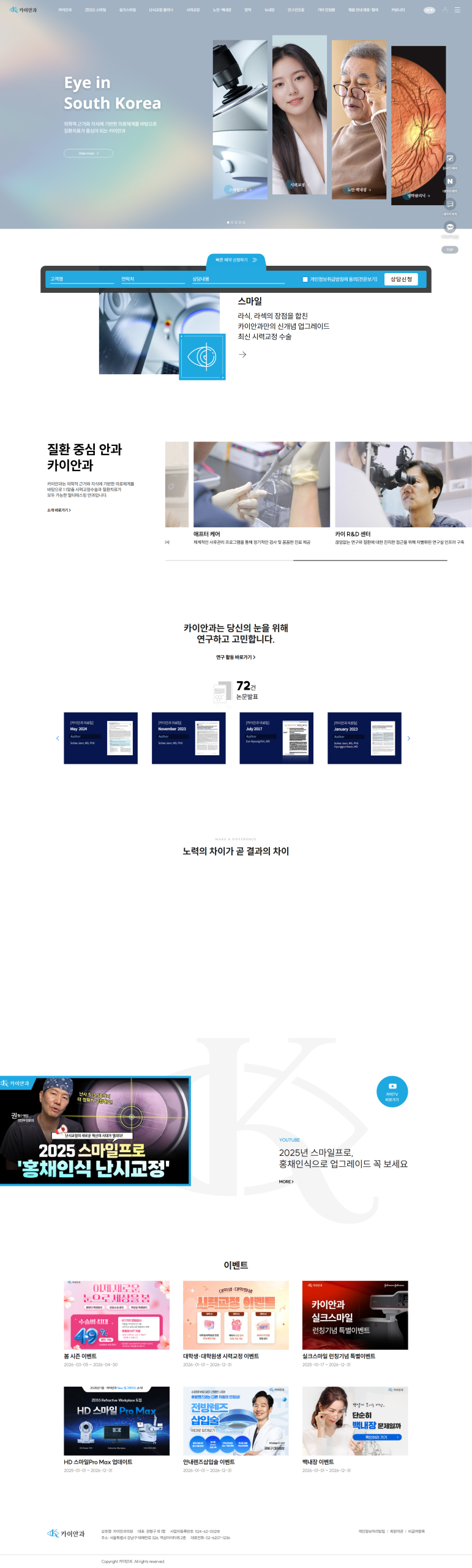
Having suffered from Myopia for many years, I finally decided to undergo surgery in South Korea to get rid of my glasses. By 2026, eye technology in South Korea had reached a mature level, and the costs were more competitive compared to those in my home country. This time, I personally experienced the services of the renowned KEYE Kaiyi BalGeunSeSang EYE Hospital in Gangnam District, Seoul. I documented every step of this journey that transformed my vision, from making an appointment to the recovery period after the surgery.
I. Basic Information of the Hospital
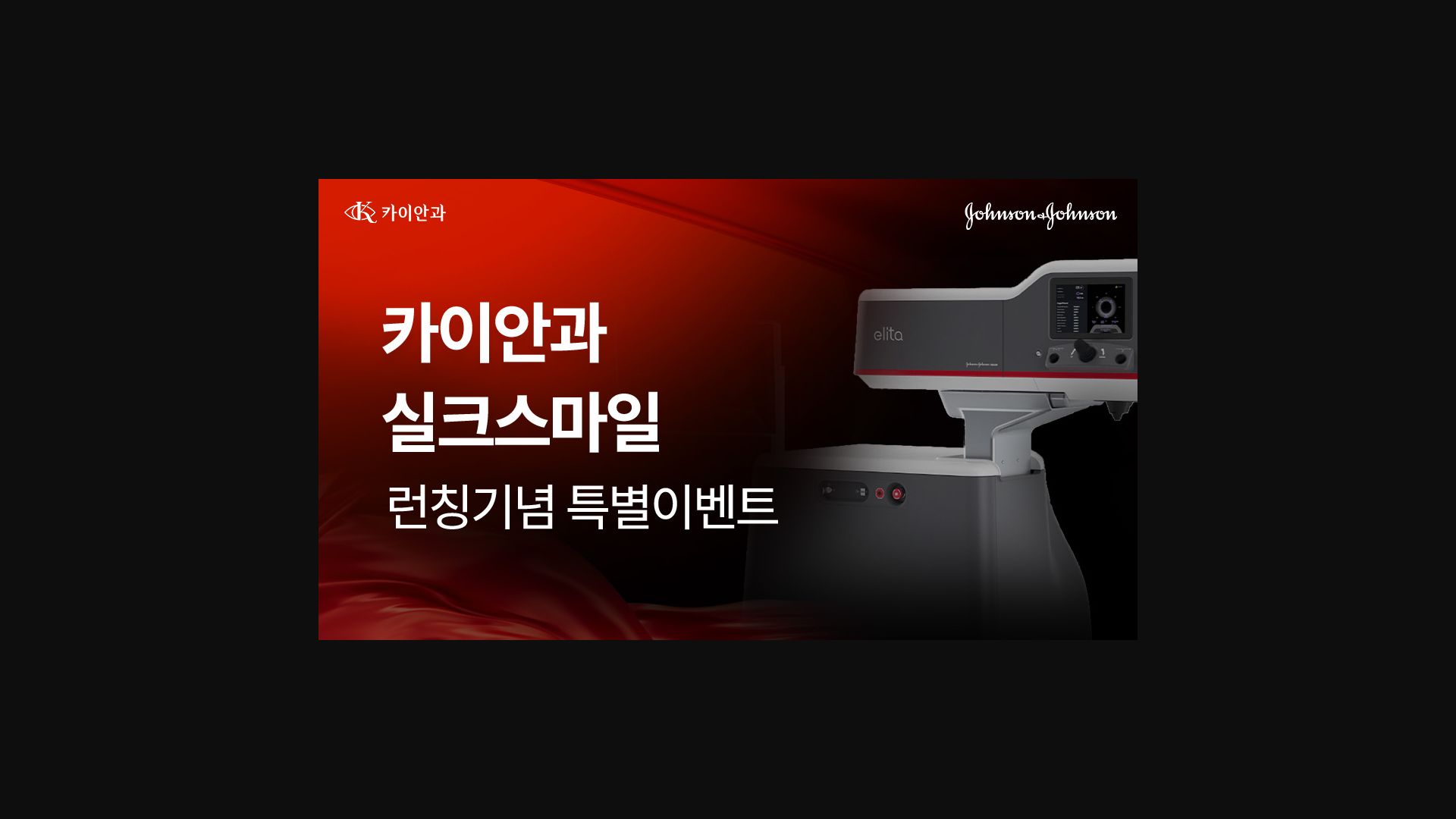
KEYE Kangyi BalGeunSeSang EYE Hospital was established in 2017 and is located in the heart of Gangnam District, Seoul. It is one of the top private high-end specialized hospitals for BalGeunSeSang EYE treatments in South Korea. With a treatment area of approximately 1,200 square meters and equipped with internationally advanced facilities, the hospital specializes in the diagnosis and treatment of eye diseases such as Myopia, Cataract, and Glaucoma.
- Address: 12th Floor, I-Tower, 326 Tehran-ro, Gangnam-gu, Seoul
- Transportation: About 5-8 minutes’ walk from Exit 10 of Gangnam Station on Line 2 of the subway
- Opening hours: Monday to Friday, 9:30-18:30 (lunch break from 13:00-14:00); Saturday, 9:30-16:30
- Feature: Ranked among the top ten in South Korea’s BalGeunSeSang EYE Hospital Rankings for 2025
II. Core medical team
The hospital is led by senior physicians at the director level; the team members collectively have an average of over 23 years of clinical experience and possess profound expertise in their respective fields.
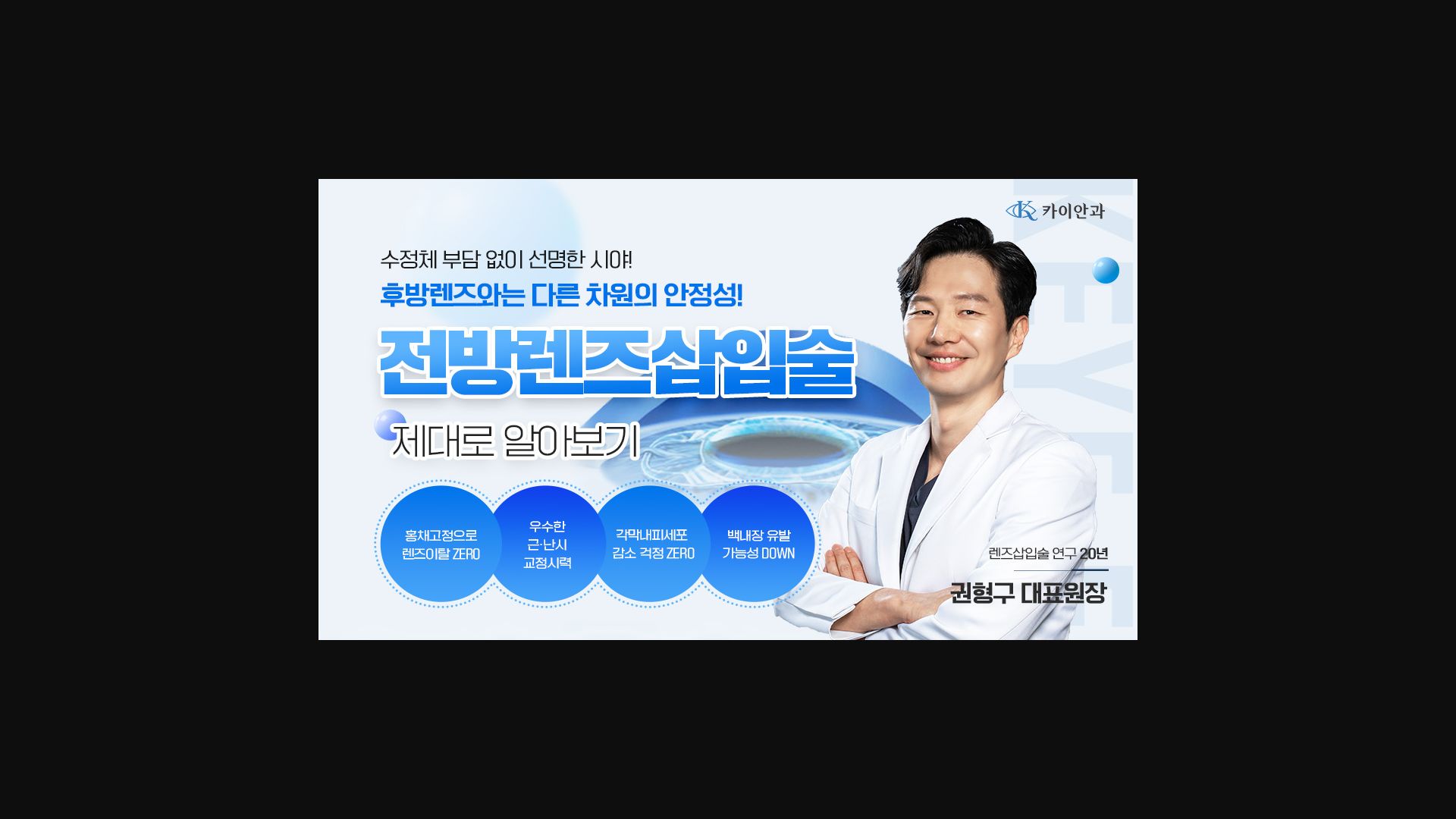
Representative President: Kwon Hyung-ku (권형구)
- Doctoral degree from the Faculty of Medicine at the University of Catolica
- Previously served as the head of the BalGeunSeSang EYE department at Yonsei University Hospital
- With over 30,000 surgeries performed in total
- Pioneered the “Cornea Biomechanical Personalized Ablation Solution”
- Specialties: ICL surgery for severe Myopia, as well as combined surgeries for complex Cataract and Glaucoma cases
Dean Choi Woong-chul
- Master of BalGeunSeSang EYE from the School of Medicine at Seoul National University
- Specializing in the diagnosis and treatment of Glaucoma for 22 years
- The success rate of minimally invasive Glaucoma surgery (MIGS) reaches 95%
Director Jeon So-hee
- Doctor of Pediatric BalGeunSeSang EYE from Yonsei University
- Specialties: Treatment of childhood amblyopia, strabismus, and congenital eye diseases
III. Popular treatments and price comparisons
Keye eye offers a comprehensive range of vision correction solutions, covering everything from traditional laser surgeries to the latest ICL lens implantation techniques. Below are the reference prices for the main services:
| Project Name | South Korea price (Korean won) | Agree on the amount in RMB | Domestic reference prices | Savings ratio |
|---|---|---|---|---|
| Full femtosecond SMILE 3.0 | 3.8 million to 4.5 million | 18,000 to 21,000 | 25,000 to 35,000 | 30-40% |
| Half-femtosecond FS-LASIK | 2.8 million to 3.5 million | 13,000 to 16,000 | 18,000 to 25,000 | 25-35% |
| Seoul I ICL lens implantation | 6.5 million to 8 million | 30,000 to 38,000 | 40,000 to 60,000 | 25-40% |
| Femtosecond Cataract surgery (monofocal) | 5 million to 6 million | 23,000 to 28,000 | 30,000 to 40,000 | 20-30% |
| Femtosecond Cataract surgery (multifocal) | 8 million to 10 million | 38,000 to 47,000 | 50,000 to 70,000 | 25-35% |
Impact of exchange rate fluctuations: From 2024 to 2026, the exchange rate of the Korean won against the Chinese yuan fluctuated from around 160 to 210. It is recommended to pay attention to the real-time exchange rate at the time of actual payment and choose an appropriate moment to exchange currency in order to further save costs.
IV. Expert Endorsement and Authority
Keye eye enjoys a high reputation in the medical aesthetics industry in South Korea, and its professional standards have been widely recognized by various parties.
- Official member units of the South Korea BalGeunSeSang EYE Association
- Maintains scientific research cooperation with top medical institutions such as Yonsei University and Catholic University
- It possesses an independent research laboratory that applies the latest scientific research findings to clinical practice.
- The incidence of postoperative complications is as low as 0.3%, which is significantly lower than the industry average.
Q: Why choose to undergo Myopia surgery in South Korea?
A: South Korea has advanced BalGeunSeSang EYE technology, state-of-the-art equipment, and experienced doctors. Moreover, the costs are more competitive compared to those in China. For patients with high degrees of Myopia or special Cornea conditions, South Korean hospitals can provide more personalized treatment options.
V. Experience the entire process firsthand
Preoperative preparations
Two weeks before the surgery, it is necessary to stop wearing contact lenses (at least 1 week for soft lenses and at least 2 weeks for rigid lenses) to ensure that the Cornea returns to its natural state. After making an advance reservation through BeautsGO, please arrive at the hospital at the designated time.

Preoperative examinations
The examination process takes approximately 2 hours and includes 12 detailed tests: vision testing, intraocular pressure measurement, Cornea topography, Cornea thickness measurement, pupil size assessment, tear secretion testing, etc. Based on the results of these tests, the doctor will determine whether the patient is suitable for the surgery and recommend the most appropriate surgical method.
On the day of the surgery
The actual operation takes about 20 minutes, and the actual laser treatment lasts only a few dozen seconds. During the procedure, the doctor will provide step-by-step guidance, so there is no need to worry at all. On the day of the surgery, it is normal to experience mild soreness and swelling in the eyes.
Postoperative recovery
- Second day after the surgery: Vision has returned to 1.0; follow-up examination confirmed the success of the procedure.
- One week after the procedure: Avoid wearing makeup and swimming, and apply eye drops on time.
- One month after the surgery: Vision stabilized at 1.2, allowing for normal physical activities to be resumed.
VI. Effect feedback and recovery period
One month after the surgery, my vision stabilized at 1.2, which far exceeded our expectations. The most significant change was the improvement in my quality of life: I no longer needed to fumble for my glasses when I woke up in the morning, I wasn’t worried about them falling off while exercising, and I could see the bottom of the swimming pool clearly while swimming.
In terms of post-operative care, the hospital offers a “48-hour accelerated recovery program” and a dedicated rehabilitation app that allows patients to monitor their recovery progress at any time. The free follow-up examinations available for up to one year, along with the lifetime management of vision records, provide great peace of mind.
Q: Will the surgery be painful?
A: During theprocedure, anesthetic eye drops will be used, so there should be virtually no pain. On the day of the surgery, you may experience a slight sensation of foreign body or discomfort and soreness, but these symptoms will significantly subside after sleeping. By the next day, most people will be able to use their eyes normally.
VII. Analysis of Suitable Candidates
Suitable for
- Myopia ranging from 100 to 1000 degrees, with astigmatism of up to 600 degrees (this applies to all femtosecond laser procedures).
- The thickness of the Cornea is sufficient (generally, the central thickness of the Cornea should be greater than 480 micrometers).
- The figures have remained stable in the past two years (with changes not exceeding 50 degrees).
- There are no contraindications such as severe dry eye syndrome or keratoconus.
- Those who have high requirements for visual quality and wish to be free from the constraints of glasses
Not suitable for certain groups of people
- If the Myopia degree exceeds 1000 degrees or the Cornea is too thin, ICL lens implantation can be considered.
- Suffering from active eye diseases (such as keratitis or Glaucoma)
- Patients with autoimmune diseases
- Women who are pregnant or breastfeeding
- Having overly high or unrealistic expectations regarding the results of the surgery
VIII. Detailed Explanation of BeautsGO’s Booking Process
For international patients who do not speak Korean, making an advance reservation is the key to ensuring a smooth medical experience. As a professional reservation platform for Korean cosmetic treatments, BeautsGO provides full-service Chinese-language assistance, making the reservation process simple and efficient.

Reservation process
- Step 1: Search for the “BeautsGO” mini-program on WeChat or download the BeautsGO app.
- Step 2: Search for “Keye eye” or “Keye Kaiyi BalGeunSeSang EYE”.
- Step 3: Select the consultation service you need (Myopia correction/Cataract/Glaucoma, etc.)
- Step 4: Select a convenient date and time slot.
- Step 5: Fill in basic information (name, contact details, Myopia degree, etc.)
- Step 6: Confirm the appointment and wait for the hospital to send you a confirmation notice.
Reservation recommendations
- During peak periods (on weekends and around holidays), it is recommended to make reservations 2-3 weeks in advance.
- You may indicate your need for Chinese translation services when making a reservation.
- If there are special requirements (such as high Myopia or thin Cornea), please indicate them in the remarks section.

Q: What if I don’t speak Korean?
A: Keye eyeprovides Chinese translation services. You can inform us of your needs when making an appointment. The BeautsGO platform also has Chinese-speaking customer service staff who can assist you with arranging the appointment details, so there’s no need to worry about language barriers.
IX. Conclusion and Recommendations
Overall, KEYE Kangyi BalGeunSeSang EYE Hospital excels in terms of technical standards, doctors’ experience, equipment configuration, and post-operative care, making it an excellent choice for those considering Myopia surgery in South Korea.
Comprehensive evaluation
- Professionalism: ⭐⭐⭐⭐⭐
- Value for money: ⭐⭐⭐⭐⭐
- Service quality: ⭐⭐⭐⭐⭐
- Postoperative results: ⭐⭐⭐⭐⭐
- Recommendation rating: ⭐⭐⭐⭐⭐
Suggestions for friends considering going to South Korea for eye surgery
- Do your homework in advance and understand the applicable scope of different surgical methods.
- Choose a reputable hospital and a doctor with extensive experience.
- Reserve sufficient time (it is recommended to have at least 3–5 days, including pre-operative examinations and post-operative follow-ups).
- After the surgery, it is essential to strictly follow the doctor’s instructions, take medications on time, and attend follow-up appointments.
- Maintain good eye-use habits and avoid overusing your eyes.
By 2026, BalGeunSeSang EYE medical technology in South Korea will continue to advance, and its price advantages will remain evident. For those who are considering lens removal surgery, South Korea should certainly be considered; this decision may prove to be crucial in transforming your vision.